

















Shift At Midnight
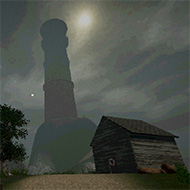
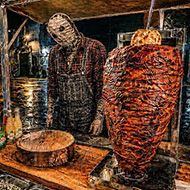
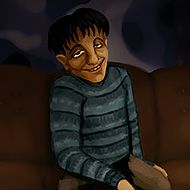





What actually changes once the clock ticks past midnight in Shift At Midnight, turning an ordinary night job into something you'd rather not be alone for?
| Setting | An overnight workplace shift that starts ordinary and doesn't stay that way |
| Format | Solo horror scenario built around a single shift |
| Session Length | Short, meant to be finished in one sitting |
| Mood | Quiet dread that builds as the hours pass midnight |
Shift At Midnight opens on something mundane: you've taken a job, the building is quiet, and the first minutes are spent learning your tasks. That ordinary setup does real work, establishing a baseline so whatever goes wrong later actually registers as wrong.
Settling Into the Job Before Shift At Midnight Turns
Early on, the routine is the point. You're moving through the same handful of tasks a night job would involve, and the pacing rewards players who take that setup seriously instead of rushing toward the scare.
Beginners assume nothing can go wrong until an obvious trigger flips a switch. That's backwards — the tension builds gradually enough that the shift can feel off before anything is confirmed.
Players who prefer a slow-burn get more out of this stretch than players hoping for constant action, since the opening portion of a shift is about atmosphere rather than confrontation.
When the Night Job Stops Feeling Normal
There's a specific shift in tone once midnight arrives, and it's the detail most players bring up — the same rooms you already walked through start to feel different, with no announcement that anything changed.
The most common criticism is that the slow tonal shift offers little explicit payoff, which can leave players wanting a clear confrontation feeling like the tension never resolves. That's fair if you wanted something more direct.
For players who enjoy ambiguity, that same restraint is the appeal — not knowing exactly what's changed is a feature of the pacing, not a gap in the design.
- Learning the layout and your tasks before anything unusual starts
- Noticing small changes in the environment as midnight approaches
- Staying alert during quiet stretches, not just during obvious tension
- Finishing the shift as the actual win condition, rather than fighting anything directly
Do you fight anything directly in Shift At Midnight?
No — the tension comes from surviving the shift rather than confronting a named threat. The goal is getting through the night intact, and most of what's unsettling is what you never get a clear look at.
Shift At Midnight isn't trying to stack scares on top of each other; it's a slow, one-shift game about a job that quietly stops feeling safe once the clock passes midnight, and that restraint is what makes finishing a shift feel like it actually meant something.