





















Machine Party






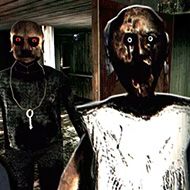

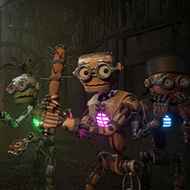

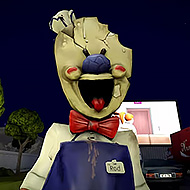


You match the shape flashing on screen half a second too slow, and the Gatling Gun round answers back immediately. That is Machine Party in one moment: a party game built on the same tension as Mario Party, except losing here has a gory, over-the-top punishment instead of a sad little animation. Play it with the wrong group of friends and it is just chaos. Play it with the right ones and every round becomes a story you retell for weeks.
| Genre | Party, Horror-Comedy Minigames |
| Platform | Browser |
Fifteen Ways to Lose in Machine Party
Machine Party packs fifteen distinct minigames into its rotation, and the variety is the whole appeal. A competitive pea-eating round sits right next to a tense sniper dodge sequence; an endless escalator chase leads into a firearm assembly race where fumbling the steps costs you the round outright. What beginners get wrong early on is treating every round the same way — reflex rounds like the Gatling Gun shape-matching challenge reward fast recognition, while rounds like the minefield run reward careful, deliberate movement instead.
By the time a group works through several rounds in one sitting, everyone has a personal least-favorite — usually whichever minigame punished their specific weak spot the hardest, whether that is reaction time or nerve.
Trust Nobody, Especially Your Friends
Sabotage is built into Machine Party at every level. Rounds like the train dodging sequence and the steamroller escape are survivable alone, but with two to four “test subjects” competing at once, someone will absolutely shove a friend into the buzzsaw hazard if it means surviving one more round themselves. Community discussion around the game consistently circles back to this same idea: it is less about the minigames individually and more about the betrayal stories that come out of playing them with real friends in voice chat.
One aspect players openly debate is how brutal the honesty gets. A cigarette-smoking speed run or steamroller escape round that ends because your closest friend sold you out mid-game hits differently than losing to a random stranger, and that’s clearly intentional design.
The Buckshot Roulette Connection in Machine Party
Machine Party comes from the same design pedigree as Buckshot Roulette, and that lineage shows in how confidently the game commits to its dark sense of humor. An original industrial soundtrack reinforces the tone throughout — mechanical, tense, and never quite letting you relax between rounds.
Players who enjoyed the slow-burn dread of Buckshot Roulette will recognize the same instinct here, just spread across fifteen short, chaotic bursts instead of one sustained standoff.
Machine Party’s One Real Complaint
Reception has been strong — around 89 percent positive across launch reviews — but the most common criticism is a real limitation: there is no built-in matchmaking to pair you with strangers. You need your own group of two to four players in the same place or already coordinated in voice chat, and local multiplayer on PC is admittedly a bit cumbersome to set up.
Is Machine Party still worth it without a way to find random opponents automatically? For most reviewers, yes, but it clearly changes who the game is for. This is a game to schedule with specific friends, not one to casually drop into on a slow night, and going in with that expectation set correctly avoids most of the disappointment other players have run into. Machine Party earns its reputation as the party game for people who trust their friends a little too much.