






















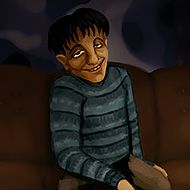
The Dreadthorn Therapist

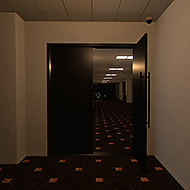






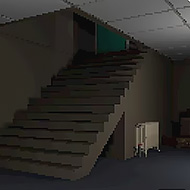

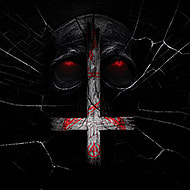


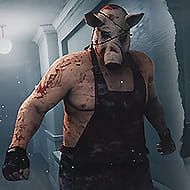
What happens when the person sitting across from you in your own apartment might not actually be a person anymore? That’s the question The Dreadthorn Therapist keeps putting in front of you, session after session, with no reliable way to be sure of the answer. You’re a therapist who just moved to a city buried under a black fog called the Shroud, and every client who knocks on your door could be exactly who they say they are, or something the fog has already gotten to.
| Genre | Story-driven horror simulator |
| Core Objective | Counsel or report clients while keeping your practice running |
| Setting | The fog-covered city of Dreadthorn |
| Perspective | First-person, dialogue-driven |
Running Sessions Inside The Dreadthorn Therapist
Each client conversation plays out through dialogue trees, and the game never hands you a clean signal for who’s telling the truth. You’re watching for small inconsistencies, strange phrasing, a detail that doesn’t line up with something said two minutes earlier. Get it wrong and you either report someone innocent to the enforcer patrolling outside, or let something dangerous walk back out your door.
Players who like slow-burn deduction tend to get the most out of this loop, since rushing through dialogue options usually means missing the one line that would’ve clarified everything. Players chasing a specific ending on a second playthrough often replay individual sessions just to see how differently a client responds when pushed harder.
The game is upfront that some cases are genuinely unfair. Community discussion around the demo repeatedly brings up how hard it can be to separate a client who’s simply shrouded from one who’s just anxious, since the surface-level cues overlap more than players expect.
Managing the Apartment Office Between Clients
Money from appointments funds the other half of the game: your apartment, which doubles as your office. You spend earnings on furniture, decorative objects, and keeping the electricity running, all of which shape how the space feels session to session. It’s a lighter management layer than the horror content around it, but skipping it entirely leaves your practice feeling threadbare by the later appointments.
By the time you’ve furnished a few rooms, the office starts to feel lived-in rather than generic, which matters more than it sounds like once clients start commenting on the space during sessions.
Living Under the Shroud in Dreadthorn
The Shroud itself isn’t just set dressing. It’s the reason the city exists in permanent night, and it’s the reason your clients keep showing up changed in ways they can’t always explain themselves. Early sessions treat the Shroud almost like weather, background noise to the therapy. Once a client’s symptoms escalate, though, it becomes the entire subject of the conversation, and the game stops letting you look away from it.
What happens if you report an innocent client in The Dreadthorn Therapist?
Reporting someone who isn’t actually shrouded still triggers the enforcer sequence, and the game treats it as a real consequence rather than a takeback, which is part of why players describe misjudging a client as one of the most memorable moments in a playthrough.
- How long is The Dreadthorn Therapist demo? The current build runs roughly 40 minutes, enough to work through several client sessions and see the apartment management systems in action.
- Do choices in The Dreadthorn Therapist actually change outcomes? Yes, dialogue decisions and how you handle each client feed into multiple possible outcomes, which is part of why players revisit sessions to test different approaches.
The Dreadthorn Therapist earns its tension by keeping the horror inside conversations instead of jump scares, and whether you’re furnishing the apartment or deciding whether to call the enforcer on a client hiding behind a strange smile, the game keeps betting that you’ll doubt your own read on people long before it ever shows you a monster.