























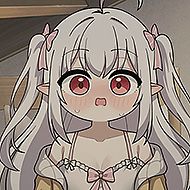
Usuimo

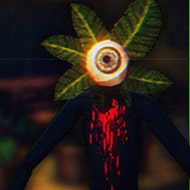











What happens to Kuroha’s quiet life with Mio once the Abyss stops being background scenery and starts demanding real risk?
| Genre | Life simulation with roguelike dungeon combat |
| Platform | Windows, macOS, Linux, Android |
| Core Loop | Daily life with Mio, then real-time runs through the Abyss |
| Cast Focus | Two characters — Kuroha and Mio |
Kuroha and Mio: The Two-Character Core of Usuimo
Usuimo keeps its cast deliberately small, and that’s not a limitation so much as the entire point. The game centers on Kuroha’s shared life with Mio, a girl dealing with a mysterious illness, and almost every system loops back to that relationship. Cooking, chatting, and simply relaxing at home aren’t filler between combat sessions — they’re the half of the game the story actually cares about.
Players expecting a large supporting cast or branching social systems tend to be the ones most disappointed by Usuimo, and that’s a genuinely divisive point in community discussion. The counterargument from fans is that narrowing the focus to just two people is what makes the daily scenes land emotionally instead of feeling like busywork spread across a roster.
By the time you’ve spent a few in-game days with Mio, the domestic routine starts to feel less like a checklist and more like something you’re protecting, which is exactly the tone the dungeon half of the game is designed to threaten.
Descending Into the Abyss
Once daily life is handled, Usuimo shifts gears entirely. The Abyss is a roguelike dungeon where layouts, enemies, and loot change with every run, and it’s here that Kuroha searches for anything that might cure Mio. Real-time combat replaces the slower pacing of the home scenes, and a bad run can undo a lot of the resource gathering you were counting on.
This is where community vocabulary around Usuimo tends to concentrate — players talk about “runs” the way roguelike fans normally do, comparing loot tables and enemy patterns from session to session rather than treating the dungeon as a single fixed level.
Balancing Home Life and Dungeon Runs in Usuimo
The core tension in Usuimo is time management between two very different modes. Spend too long at home and resource pressure builds; push too hard into the Abyss and you miss the story beats that make the relationship with Mio feel earned. Newer players commonly get this balance wrong at first, either rushing dungeon runs for loot and skipping story scenes, or lingering at home so long that early runs feel underprepared.
Players who enjoy narrative-driven simulation generally lean toward spending extra time on the home scenes, while those drawn in by the roguelike structure push into the Abyss more aggressively — both approaches work, but they produce noticeably different pacing through the story.
What Repeated Runs Reveal About the Abyss
One detail players consistently mention once they’ve logged real time with Usuimo is how differently the Abyss can behave between visits, even early on — a corridor that felt safe on one run can open into a completely different threat on the next. That unpredictability is deliberate, and it’s what keeps repeated dungeon trips from feeling like grinding the same content.
It also means preparation before a run matters more than raw persistence during one, since the game punishes going in underprepared far more than it punishes taking things slow at home first.
Is there a large cast of characters in Usuimo?
No — the story stays focused on just Kuroha and Mio, with the Abyss providing enemies and encounters rather than additional major characters. This is intentional and central to how the game is structured.
How does combat work in the Abyss?
Combat happens in real time during dungeon runs, with each trip into the Abyss generating different enemies, layouts, and loot, closer to a roguelike structure than a fixed dungeon crawl.
Do daily life choices affect the dungeon sections of Usuimo?
Time spent cooking, talking, and relaxing with Mio shapes her mood and the bond between her and Kuroha, and that relationship is framed as the emotional stakes behind every Abyss run rather than a separate, disconnected system.
Usuimo asks players to care about a quiet life before it asks them to survive a dangerous one, and that order matters — by the time Kuroha heads back into the Abyss after another evening with Mio, the run stops being just a loot trip and starts feeling like it actually has something to lose.