




















Quiet Care

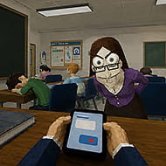


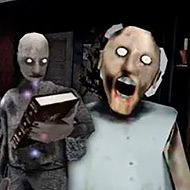

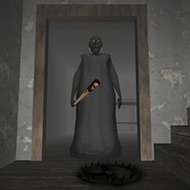
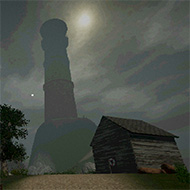


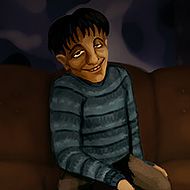


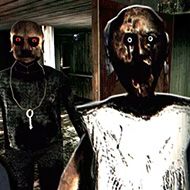
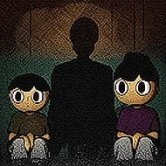
In Quiet Care you start as Zoe, a young girl left in charge of the house for 4 days while your parents are away, which matters because your only job is to keep your younger brother Leo safe until they return. Nobody else is coming to help, and the house is where everything happens.
| Genre | PS1-style psychological horror |
| Role | Zoe, looking after her brother Leo |
| Story span | 4 days |
| Length | Short |
Looking After Leo in Quiet Care
Your responsibilities are simple on paper: look after Leo, keep the house in order and make sure both of you survive until the parents get back from a short vacation. The page promises a PS1 analog horror mood and a story-first pace with not much action, so the fear comes from atmosphere and unease rather than chases. The structure is a countdown to the parents’ return, which gives every day a sense of pressure even when nothing seems to happen. That makes the game feel less like a chase and more like a long night of listening to the house.
Fans of analog horror and PSX-era visuals will recognize the look immediately.
The recommended setup is part of the pitch, and it is worth following:
- Lights off
- Headphones on
- Night time
The Knock at the Door and the Switch to Leo
Once the first knock comes at the door, Zoe goes back to sleep and wakes up to find the door standing open. It is the moment players mention first, because it turns a babysitting job into something that no longer follows normal rules. From there the days stop feeling like chores and start feeling like warnings.
Later you play as Leo, and the perspective change is more than a gimmick. Reviewers say they did not see the ending coming and that it was executed extremely well, which is high praise for a horror story this short. Fans of late twists will find it worth the wait.
Sound design carries a lot of the early unease. Players say the subtle audio and the initial setup told them something was wrong before anything on screen did, and horror fans who prefer slow dread will get the most out of that.
Rough Edges in Quiet Care
The most repeated complaint is the camera. It bobs up and down like a walking motion even when Zoe is standing still, during cutscenes and in every dialogue, and the effect only stops once you switch to playing as Leo. Some players find it too distracting, and it is the first thing worth knowing if motion bothers you.
Skipping dialogue has a catch as well. Holding Space to skip can make cutscenes stick and stop the game from playing when you start a new run, so tapping is safer than holding.
The door sequence after the first knock can let you step outside and see through the house and every item in every room, which is not intended. None of this ruins the story, but it is the kind of roughness you expect from a small project, and it is worth knowing about before you start.
Quiet Care Questions From New Players
How long is Quiet Care?
The page tags it as short, and the story runs across 4 days in the house. Expect one sitting rather than a long campaign, with Zoe’s days broken up by dialogue and cutscenes. Skipping the dialogue is possible, but tapping is safer than holding.
Is Quiet Care scary or just slow?
It is a chill, story-first horror with not much action, so the scares come from the atmosphere, the first knock at the door and the ending rather than chases. The page suggests playing with the lights off and headphones on at night, and the subtle sound design rewards that advice.
Who do you play as in Quiet Care?
You start as Zoe, responsible for Leo, and later you play as Leo himself. That switch is the part that changes both the story and the camera behavior. It is best to go in knowing only that Leo gets a turn.
Quiet Care turns a four-day babysitting job into something much stranger, and Zoe, Leo and that first knock at the door are what stay with you afterward. If you like horror that trusts atmosphere over action, it is worth a late-night sitting.