










20 More, Somehow Even Smaller, Mazes






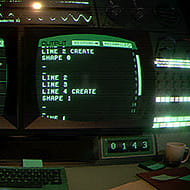



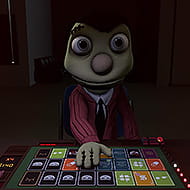
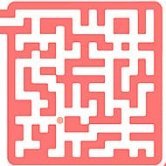
20 More, Somehow Even Smaller, Mazes looks like a throwaway joke about shrinking grids, but it plays like twenty separate puzzles that each rewrite what a maze is allowed to be. Every board is small enough to read at a glance, and that is exactly the trap, because the route you can see is rarely the route that works.
| Genre | Puzzle |
| Format | Twenty small mazes |
| Mode | Single-player |
| Platform | PC |
| Length | About one hour |
How Twenty Stages Work in 20 More, Somehow Even Smaller, Mazes
The goal never changes: get from the entrance to the exit and the next stage opens. What changes is the rule attached to each maze. Some stages lean on one unusual idea, others make you rethink how you move before you have even found the first turn. Because every maze carries its own twist, a trick that cracks stage five rarely helps in stage six, and that constant reset is the real heart of the game.
Early in the game the twists teach themselves within a few moves. By the time you reach the later stages, the game expects you to combine habits from earlier boards, and a lazy first guess stops being forgiven.
Puzzle fans who like thinking inside small, contained spaces settle in fastest, since nothing sprawls and every decision stays within view. A board you can hold in your head is a board you can reason about.
Mistakes That Cost Time on the Smaller Boards
Newcomers tend to repeat the same two mistakes. They rush the first corridor, and they ignore whatever is unusual about the stage in front of them. Because the mazes are tiny, backing out feels cheap, so players keep stabbing at one dead end instead of asking what the stage is trying to teach. Name the twist before your first move and most boards loosen up quickly.
Ten seconds of looking saves more time than any shortcut.
Speedrunners get tripped up in a different way, since memorizing the route through one maze says nothing about the rule governing the next one, and every stage punishes autopilot. Slowing down at the start of each stage is the real speed tip.
Why the Short Length Divides Players of 20 More, Somehow Even Smaller, Mazes
The game can be finished in about an hour, and that brevity is what players argue about most. Fans call it perfectly paced, with no filler between stages, while others reach the last maze wishing the twenty had stretched to forty. One reviewer even pointed out a maze that turned out smaller than the name had warned, which fits the joke.
In thinky-game circles the shorthand for this style is one clever idea per level, and this game follows that rule strictly. The appeal is closer to a good short story than to a long campaign.
Anyone who prefers to sit down for one evening and finish a complete puzzle game in a single sitting will find the length a feature rather than a flaw. A longer run would likely have needed filler, and filler is the one thing the game avoids.
Small Details Worth Noticing
Scale: every maze is small on purpose, so a wrong turn costs seconds rather than minutes, and experimenting with a hunch never feels expensive. That keeps the whole game friendly to trial and error.
Rule shifts: the hardest boards are the ones where a stage’s special element interacts with the walls in a way you did not predict, which is where most of the grumbling and most of the satisfaction come from. Reading the rule carefully pays off every single time.
Second pass: with a running time near one hour, going back through all twenty mazes to catch rules you misread the first time is a realistic plan. It makes a short, satisfying lap.
Reach the final maze of 20 More, Somehow Even Smaller, Mazes and the pattern is clear: one small board, one new rule, no padding. Fans of the earlier 20 Small Mazes will recognize the instincts at work, and newcomers can start here without missing a thing.