






















Bite By Night
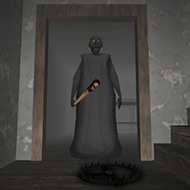













Bite By Night looks like a straightforward chase game at first glance, but it plays like a race against a clock that both sides are fighting to control. Survivors aren’t just running from the Killer — they’re managing a shrinking window before 6:00 AM, and the Killer isn’t just chasing, they’re trying to close that window before anyone reaches it.
| Genre | Asymmetrical survival horror |
| Roles | Survivors versus one Killer |
| Win condition | Survivors reach 6:00 AM; Killer eliminates all Survivors first |
| Signature mechanic | Blood Moon Cycle |
Bite By Night Looks Like a Chase Game but Plays Like a Clock Race
Every decision a Survivor makes gets weighed against how much time is left before dawn, not just whether the Killer is nearby right now. Hiding successfully doesn’t win the match on its own — it only matters if the clock keeps moving while you’re doing it, which changes the calculus compared to a straightforward hide-and-chase format.
Survivor Classes Change What Surviving Actually Means
Choosing a Class before a match shapes what a Survivor can actually contribute to the team’s odds. Some classes lean toward supporting the group directly, while others are built around personal evasion and staying off the Killer’s radar entirely. Picking a class that doesn’t fit how a player intends to play tends to show up fast once the chase actually starts.
- Support-leaning classes help the group as a whole survive longer, even at some personal risk.
- Evasion-focused classes prioritize one Survivor’s own odds of reaching 6:00 AM over group coordination.
- Class choice interacts with the Blood Moon Cycle differently, since some abilities become more or less useful once the cycle shifts.
The Killer’s Job in Bite By Night Isn’t Just Speed
A Killer who relies purely on raw chase speed tends to underperform against coordinated Survivors, since the format rewards cutting off escape routes and predicting where the group will regroup over pure pursuit. Reading Survivor behavior — where they’re hiding, when they’ll make a break for it — matters as much as catching one in the open.
Blood Moon Cycle Rewrites the Rules Mid-Match
The Blood Moon Cycle is what keeps a match from playing out identically every time. Once it shifts, the balance between Killer and Survivors changes noticeably, which forces both sides to adapt strategy mid-match rather than committing to a single plan from the opening minute.
Why 6:00 AM Is the Only Deadline That Matters
Every other objective in a match is really just a means of reaching or preventing that one deadline. Survivors who forget this and focus too heavily on avoiding a single encounter, rather than tracking overall time, sometimes survive a scare only to run out of clock anyway.
- Can Survivors fight back against the Killer? Options depend on class choice, but Bite By Night generally rewards evasion and coordination over direct confrontation with the Killer.
- Does the Blood Moon Cycle favor the Killer or the Survivors? It shifts the balance rather than favoring one side outright, which is part of why matches rarely feel identical from round to round.
- What happens if time runs out with Survivors still alive? Reaching 6:00 AM with any Survivors remaining ends the match in their favor, regardless of how close the Killer came to catching them.
Bite By Night earns its tension from that dawn deadline more than from any single chase — the Killer closing in near 5:45 hits harder than an identical chase at the start of the night, because by then the Blood Moon Cycle has already reshaped what both sides are actually fighting over.