

















Five Nights In Anime 3D
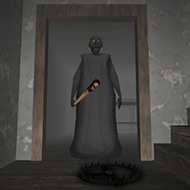
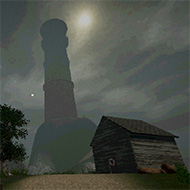
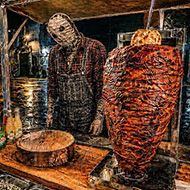

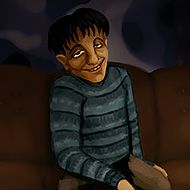


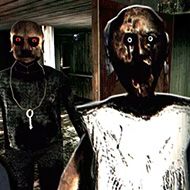
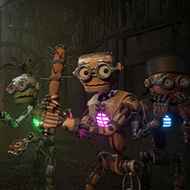


Five Nights In Anime 3D looks like a straightforward reskin at first glance, all bright convention colors and softer character designs, but it plays like the same tense power-management survival test the format has always been. You’re alone in a small office overnight at Fredina’s Anime Convention, watching cameras and holding doors shut against animatronics that want into your room, and the softer art style does nothing to slow down how fast a night can go wrong.
| Genre | Survival horror, night-watch format |
| Setting | Fredina’s Anime Convention |
| Core loop | Camera checks and door management overnight |
| Cast | Seven named animatronics plus one hidden character |
Five Nights In Anime 3D Still Plays Like a Power-Management Game
Every action costs power — checking a camera, holding a door, running a light down a hallway — and the office only has so much of it before the night ends in the dark. That single constraint is what keeps the format tense no matter how the character designs are dressed up, because it forces constant trade-offs instead of letting you camp on one safe habit all night.
Players who ignore the power meter in favor of holding both doors shut permanently almost always lose before sunrise, since that habit burns through the reserve far faster than checking cameras strategically ever does.
Fredina, Bonnie, and Chica Don’t Share a Pattern
Each animatronic on the convention floor moves on its own logic. Fredina tends to escalate the longer a night runs, becoming more aggressive as the hours tick forward. Bonnie favors one side of the office consistently enough that regular players build habits specifically around checking that route. Chica’s pattern ties more closely to a specific camera feed, and letting that feed go unchecked for too long is a common way new players get caught.
Cameras, Doors, and the Office You Can’t Leave
The office itself never changes, which forces the tension to come entirely from what’s happening outside it. Camera fatigue is the term regulars use for the moment a player starts flipping through feeds too fast to actually register what they’re seeing — and it’s usually the point where something gets missed.
Why the Convention Setting Changes the Usual FNAF-Style Formula
Setting the night inside a convention rather than a restaurant shifts the visual language without changing the underlying structure. Crowds, stalls, and stage lighting from the convention floor show up on camera feeds, which means players have to learn to pick an animatronic’s silhouette out of a busier background than the format usually offers.
Five Nights In Anime 3D’s Secret Girl and What Triggers Her
Beyond the seven main animatronics, a secret eighth character can appear under specific conditions tied to how a night is played rather than showing up on a fixed schedule. Community discussion around exactly what triggers her is common, since the condition isn’t explained directly in-game.
Reading Camera Static Instead of Waiting for Jump Scares
Experienced players treat camera static and audio cues as the real information source, not the animatronics themselves. A feed that glitches slightly longer than usual, or audio that shifts in a specific hallway, tends to matter more than what’s visible in the frame at any given second.
- How many nights does Five Nights In Anime 3D include? The core structure follows the format’s usual escalating night count, with each night raising animatronic aggression compared to the one before it.
- Can you beat a night with the doors closed the whole time? Not reliably — power runs out before dawn if both doors stay shut continuously, so at least some camera-based tracking is necessary.
- Does Chica behave differently than in other night-watch games? Yes — her pattern here ties closely to one specific camera feed, making her more predictable once a player learns to prioritize checking it.
Five Nights In Anime 3D earns its tension the same way the format always has — Fredina, Bonnie, and Chica don’t need a darker art style to be threatening, they just need a player who let the power meter run too low while chasing one more camera check.