



















Foghorns Drown
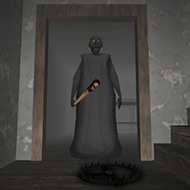
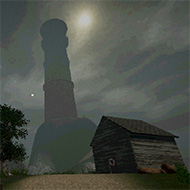









Why does the old ferryman disappear right before a murder happens in the same fogbound village? That question sits at the center of Foghorns Drown, and the game refuses to hand you an easy answer while you take over his job rowing strangers across the water into Birchwood.
| Genre | Narrative-driven psychological horror |
| Setting | Birchwood, a remote village isolated behind a foggy lake |
| Perspective | First-person, single-player |
| Core Objective | Ferry passengers across the lake while uncovering the truth behind a disappearance and a murder |
Taking Over the Ferry Route Into Birchwood
You step into the role of ferryman almost by accident, and Foghorns Drown wastes no time establishing the physical weight of that job. Operating the crank to haul the ferry along its rusted chain isn’t a quick-time event or a loading-screen animation — it’s a hands-on, physics-based task you repeat constantly, and the game leans on that repetition to root you in the world before the mystery fully unfolds.
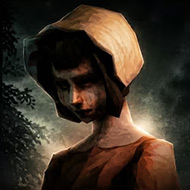
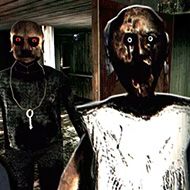
Passengers waiting on the dock aren’t interchangeable filler. Figures like Old Lady Agnes and Layman Jeremiah show up with their own errands and their own reasons for crossing, and the dialogue exchanged during each crossing slowly builds out the shape of Birchwood as a place with real routines, real grudges, and real grief.
New players often treat the ferry crank as a minor obstacle between story beats, cranking through it as fast as possible. That instinct undersells how much atmosphere the developers packed into those quiet crossings — the foghorns sounding in the distance, the water slapping against the hull, the sense that the fog itself is listening.
The Foghorns as a Constant Pressure
The foghorns themselves aren’t just ambient sound design; they function as an in-world clock, impatient and relentless, pushing you to keep the ferry moving rather than lingering too long on any one crossing. That pressure sits underneath every conversation and every environmental detail you might want to stop and examine.
Players who favor a slower, exploration-heavy pace describe feeling a low-grade anxiety generated purely by that horn sound, even when nothing dangerous is actually happening on screen. It’s a clever bit of tension-building that doesn’t rely on jump scares to keep players on edge.
Elijah and the Dream Sequences That Blur Reality
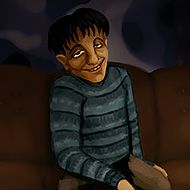
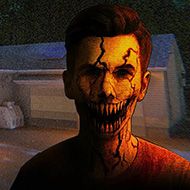
Recurring dream sequences pull you out of the ferry routine and into surreal visions tied to a murder you may or may not have committed yourself. A young figure named Elijah appears across these sequences in ways that unsettle rather than clarify, and the game deliberately keeps the line between memory, dream, and guilt blurry well into the later hours.
This is where Foghorns Drown draws its clearest comparisons to Silent Hill and Twin Peaks — not through direct references, but through the way dread accumulates from implication rather than explanation. Players who go in expecting a straightforward answer by the credits tend to come away more unsettled than satisfied, and that’s very much the intended effect.
Reading Birchwood Through Environmental Clues
- Dialogue with recurring townsfolk shifts subtly depending on earlier crossings
- Physical objects around the dock and village hint at the fate of the previous ferryman
- Surreal visions during dream sequences reward players who piece details together across multiple runs
- Early crossings establish routine and trust with the village’s residents
- Mid-game crossings introduce the first cracks in that routine, tied to the murder investigation
- Later crossings force choices that color how the mystery ultimately resolves
A Short, Dense Runtime That Divides Opinion
Most players report finishing Foghorns Drown somewhere between two and three and a half hours, and that brevity is one of the more debated aspects of the game. Some players who tried the demo before launch have noted that a large portion of the demo content carried directly into the beginning of the full release, leaving the genuinely new material feeling comparatively thin by comparison. Others argue the tight runtime suits the material, keeping the mystery focused rather than padded out.
What almost everyone agrees on is the atmosphere — the fog, the crank, the foghorns, the dock lit by lantern light — even players disappointed by the story’s resolution tend to praise how consistently unsettling the world of Birchwood feels from the very first crossing.
Whether the killer turns out to be someone you’d expect or something the fog itself is responsible for is left deliberately ambiguous for much of the playthrough, and why the old ferryman vanished ties directly into the same folklore the townsfolk keep half-referencing in dockside conversation without ever fully explaining.
Foghorns Drown earns its dread the slow way, one crossing at a time, and by the time the truth about Elijah and the old ferryman starts surfacing through the fog, Birchwood has already gotten under your skin.