

















Lovecraft Locker 2
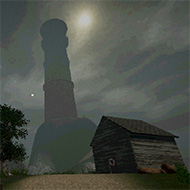





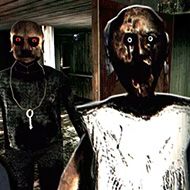
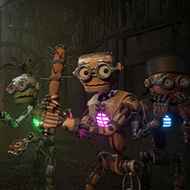

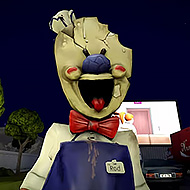


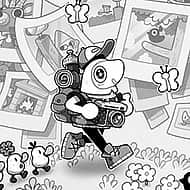
Twelve locker variants sounds like overkill for a game built around a single hallway, but Lovecraft Locker 2 uses every one of them to keep a fundamentally simple timing loop from going stale.
The Timing Loop at the Core of Lovecraft Locker 2
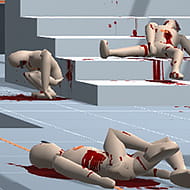
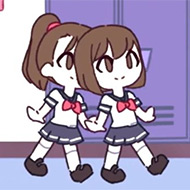
The premise stays deliberately narrow: characters pass by in a hallway, and hitting the right moment to strike from the locker is the entire skill test. Energy earned from successful timing fills a bar that unlocks new abilities and extended reach, which means early mistakes compound — a slow start leaves you under-leveled for the faster traffic that shows up later in a run.
Missing a window doesn’t end anything abruptly; it just means waiting for the next character, which keeps the pressure closer to a rhythm game than a punishing one. That forgiving failure state is a big part of why the loop holds up across repeated sessions instead of feeling like a one-note gimmick.
Twelve Variants, Twelve Different Rhythms
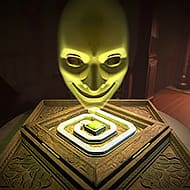
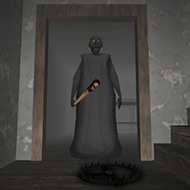
The cursed, bio-mechanical, abyssal, and temporal locker types each carry their own active and passive abilities, and switching between them changes the actual rhythm of play rather than just the visual theme. A temporal variant rewards different timing instincts than an abyssal one, which is why players who master a single locker type often have to relearn their reads from scratch on a different variant.
What Lovecraft Locker 2 Changed Since the First Game
New character types and movement patterns are the clearest upgrade from the original game, since predictable single-file traffic gives way to overlapping patterns that force faster reads. Players coming straight from the first Lovecraft Locker tend to rely on old timing habits that no longer match the busier hallway here, which is the single most common early mistake reported in community discussion.
- Do all twelve locker variants play the same way? No — each variant’s active and passive abilities change the timing rhythm enough that switching types effectively means relearning your reads.
- Is failing a capture attempt costly? Not directly — missing a window just means waiting for the next character, keeping the loop closer to rhythm-based play than punishing trial and error.
Whether you’re working through the cursed variant’s rhythm or still adjusting from the original game’s slower hallway traffic, Lovecraft Locker 2 keeps the core test the same: read the pattern, or wait for the next chance.