
























Time To Waste
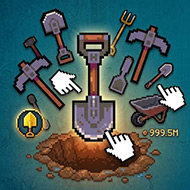



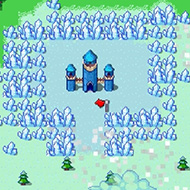



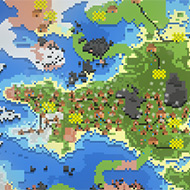
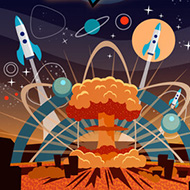


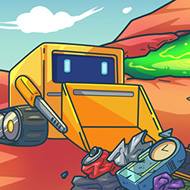
How long until you stop needing to touch your mouse at all? That's the question Time To Waste is built around — you start by manually steering one battered collection bot across a scrap-covered planet, tapping piles of trash for currency, and you finish the same session watching a small fleet handle the work while you scroll through an upgrade tree instead.
| Genre | Incremental collection game |
| Setting | Scrap-covered planets |
| Bots | 3 unlockable collection bots |
| Upgrade Tree | 80 upgrades |
| Typical Session | 30 to 60 minutes |
The First Planet and the Habit Beginners Fall Into
Early on, everything runs through direct clicks. You drive a single bot over scrap piles, cash it in, and buy the first tier of upgrades. Most beginners keep clicking manually long after the game has quietly started offering better options.
The mistake is treating the opening planet like the whole game instead of a tutorial for the upgrade tree. Scrap collected early matters less than how quickly you route it into the right upgrades.
Players who came from other clicker-style games recognize the rhythm fast. The loop of tap, cash in, upgrade, repeat is familiar territory before Time To Waste starts changing the rules underneath it.
From Manual Clicks to a Fleet: How the Upgrade Tree Works
Every upgrade bought pushes you further from manual clicking and closer to automation. Some upgrades add bots to your fleet, others make existing bots faster or able to carry more scrap per trip.
By the time you've bought a handful of upgrades, a single click stops being the bottleneck. The tree itself becomes the real puzzle, deciding what to prioritize with limited scrap on hand.
Completionist-minded players tend to slow down here, reading every upgrade description before spending. A wrong early pick can waste scrap that would have unlocked something more useful two or three tiers up.
Unlocking Self-Driving and Why That Moment Changes Everything
The single biggest shift in Time To Waste comes when you unlock the self-driving upgrade — the point where a bot starts finding and collecting scrap on its own instead of waiting on your input. Idle-minded players often say the game only clicks for them once this upgrade appears.
Before self-driving unlocks, progress feels tied to attention. After it, you can step away and come back to a fuller stockpile, which is exactly the shift that separates an active incremental from something closer to a background idle game.
This is also the most debated part of the whole tree. Several players have said they wish self-driving unlocked earlier, since the first stretch before it can feel like busywork rather than the payoff the rest of the tree builds toward.
The Second and Third Planets in Time To Waste
Once the first planet is picked clean, later planets introduce new scrap types that need different bots or upgrades to collect efficiently. What worked on the first planet stops being enough almost immediately.
Difficulty in Time To Waste isn't about reflexes — it's about whether your current fleet and upgrade choices can keep up with the scrap density of a new planet. Falling behind here means grinding the previous planet longer than expected.
By the third planet, most players have stopped clicking almost entirely. The fleet runs on its own while attention shifts purely to tree decisions.
Currency, Scrap, and Where Every Upgrade Point Actually Goes
Scrap collected on any planet converts into the currency spent across the entire upgrade tree. Nothing gathered early is ever wasted, even after you've moved on to a later planet.
Players quickly learn to split spending between fleet size and per-bot efficiency rather than dumping everything into one branch. A fleet of slow bots underperforms a smaller fleet of upgraded ones.
Early in the game, the temptation is to buy whatever is cheapest. By the time a second bot joins the fleet, most players have switched to planning two or three upgrades ahead instead.
What Idle-Minded Players Get Out of Time To Waste
Players who prefer idle-style games gravitate toward the back half of the tree, where automation upgrades let a session run mostly unattended. Active clicker fans tend to stay engaged earlier, when every click still visibly matters.
Both playstyles are supported by the same tree. It's part of why the game holds attention across a full session instead of losing one type of player halfway through.
A short session of thirty to sixty minutes is enough to see most of what Time To Waste offers. Players chasing every one of the eighty upgrades will spend considerably longer picking the tree apart.
The One Complaint That Comes Up Again and Again
The most common piece of feedback isn't about difficulty — it's about not knowing where a bot actually is once it's out collecting. Without a clear destination screen, tracking fleet progress comes down to checking the tech tree rather than seeing it directly.
It's a fair criticism. The game doesn't fully solve it within the current tree, since scrap totals update but the actual routes stay mostly invisible.
Even players who love the automation loop bring this up. It says more about how much they want to watch their fleet work than any real dislike of the game itself.
Reading the Upgrade Tree Without Wasting Scrap
The tree rewards patience over impulse spending. Saving scrap for a bigger upgrade instead of grabbing the first cheap option available usually pays off within a planet or two.
Advanced players track which upgrades unlock new bots specifically. Fleet size compounds faster than small efficiency boosts do early on.
Once you've cleared a couple of planets, the tree stops feeling random. It starts feeling like a sequence you can plan around from the very first click.
Time To Waste isn't trying to hide what it is underneath the scrap piles and the tech tree. It's a quiet, methodical climb from one clicking bot to a self-driving fleet working through eighty upgrades across three planets, and that slow handoff from your mouse to your own upgrade tree is the whole point of playing it.