













UNFIT
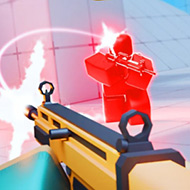
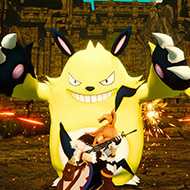
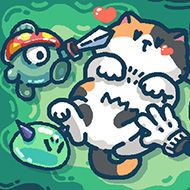
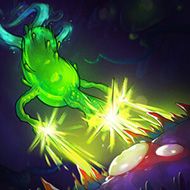

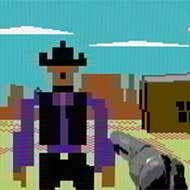
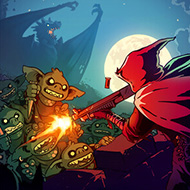
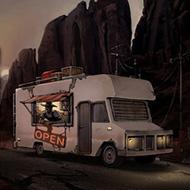

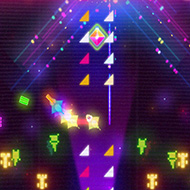
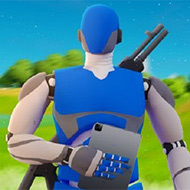


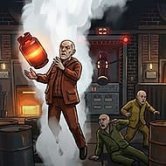
You are one of several freshly assembled clones entering an inspection line, and the factory does not need every unit to pass. UNFIT is a chaotic multiplayer party challenge built around hostile quality-control tests, physical interference, and the demand that exactly one clone be declared fit. Players shove, steal, and sabotage one another while surviving hazards such as presses, cranes, gas, and bullets. The central mechanic is simple to explain but difficult to control: pass the inspection while making sure your rivals do not take your place.
| Genre | Physics-driven party action |
| Player count | 2–6 clones |
| Setting | Acceptance and Control Plant |
| Objective | Meet the defect quota and become the one FIT unit |
Inspection Shifts in UNFIT
The setting is the Acceptance and Control Plant, where conveyors keep moving and inspection equipment decides who survives the shift. Each round assembles a batch of clones, and players are treated as numbered units rather than special individuals. The factory’s language is deliberately cold: a result is stamped FIT or DEFECT, and the system expects a fixed outcome. That industrial framing gives the party chaos a dark satirical edge.
Inspections test different kinds of movement and timing. A press can make standing in the right place essential, while a crane or other hazard changes how you read the space around you. Red Light asks players to reach the QC gates while the scanner is looking away, turning a simple approach into a timing test. Learn what each inspection demands before trying to shove another clone into danger.
Early in a shift, the most important adjustment is recognizing that other players are not teammates by default. They are competitors who can interfere with your route, take resources, or push you off a platform. Players who enjoy unpredictable physics may find that hilarious, while those who prefer clean competitive rules may find the interference frustrating when a single shove decides a round.
Sabotage and Survival in UNFIT
Shoving and stealing are part of the intended design, not optional side behaviour. You can push rivals from a loading dock, take from another player’s crate hatch, or use a moment of distraction to improve your own position. The best time to interfere is when a rival is already committed to a risky task, but reckless aggression can leave your own clone exposed to the same hazard. Watch the environment before choosing to start a fight.
Useful habits include:
- Read the inspection objective before moving toward the equipment.
- Watch the scanner during Red Light and move only during a safe opening.
- Keep an escape route when approaching a press or crane.
- Expect rivals to shove or steal, and protect your position when possible.
The game also uses a Disposal Shift structure: eliminated players wait for the next attempt, and the leading two can advance to a final duel. That format gives a failed round a consequence without necessarily ending the whole session immediately. A player who falls behind should focus on surviving the next inspection rather than wasting the remaining time on a revenge shove.
QC, Defect Quotas, and the Final Duel
Quality control is the pressure behind every round. The defect quota must be met, but only one unit is meant to be FIT, so success is tied to both personal performance and the failure of others. This creates a different kind of party game tension from a race where everyone can finish. A safe strategy may keep you alive, but it does not guarantee that you will be the final accepted clone.
There are more than 20 deadly inspections described for the game, alongside a final duel. The variety should reward players who adapt rather than repeating one trick in every round. Some tests emphasize movement and timing, while others put the emphasis on reading hazards or disrupting a rival. The shared QC camera and shifting perspective add to the spectacle, though players who dislike chaotic camera changes may need time to get comfortable.
Community-style shorthand such as clutch survival, sabotage, final duel, and getting stamped DEFECT captures the match’s appeal. The divisive element is the same as its selling point: interference can create memorable reversals, but it can also make outcomes feel messy when physics and player aggression collide. Groups that enjoy loud, unpredictable competition are likely to embrace that tension.
Questions About UNFIT
How many players can take part in UNFIT?
The described match supports 2–6 clones. The host can fill empty places with bots, so a session does not necessarily need a full group of human players to create pressure during inspections.
What happens during the Red Light inspection?
Players must reach the QC gates while the scanner is looking away. The key is to watch the scanner and time movement carefully, because rushing while it is watching can turn a simple crossing into a failed inspection.
How does the Disposal Shift work?
Players who are eliminated wait for the next attempt, while the top two advance to a final duel. That means surviving the inspection rounds matters as much as winning an individual confrontation, because the last contest determines which clone is the one FIT unit.
UNFIT turns the Acceptance and Control Plant into a pressure cooker where the press, crane, Red Light scanner, and rival clones all threaten your place on the line. The final duel gives the shift a clear endpoint, but the memorable moments come from the messy decisions between inspections: whether to protect your route, shove a rival, or risk becoming the next unit stamped DEFECT.