


















Tom the Postgirl







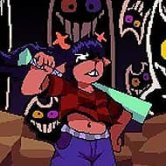




In Tom the Postgirl you start as the village’s new postgirl with a bag of packages and a habit you cannot shake, which matters because the job is only the excuse. The real work is finding out what the locals do once their doors close. Her method is controversial, but it is also highly effective.
| Genre | Adventure |
| Art | Hand-drawn, black and white |
| Role | Village postgirl |
| Style | Story-driven, singleplayer |
| Platforms | PC, Switch |
Walk and Stalk in Tom the Postgirl
This is an adventure, but not the usual point-and-click kind. You guide Tom through the village, deliver packages to the locals and peek at what they do once the packages are out of sight. Spying is stronger than Tom, and the whole game builds its rhythm around that urge rather than around classic puzzle solving.
Every window, every door and every crack in a wall is a chance to learn more about the villagers and their secrets. The deliveries are the excuse, and curiosity is the real objective.
Players who love narrative adventures get a steady stream of small scenes, while players hoping for hard puzzles will find that the village itself is the puzzle. Knowing which kind of player you are makes the first hour much more enjoyable.
Windows, Doors and Cracks: What Beginners Miss
The most common mistake early in the game is treating deliveries as the main task and rushing past the hiding spots. Peeking is where most of the story lives, so a player who hurries through the packages will see only a thin version of the village. Slow down, look around each house, and treat every wall as something to inspect.
The second mistake is expecting a clear, straight route. The story branches and choices matter, so you will sometimes miss scenes you would have seen in a different order.
Curious players will find that checking every window pays off more than any shortcut. Circle back, try new angles and let the village show you what it has been hiding.
The Locals of Tom the Postgirl and Their Secrets
The villagers are the real stars. An orphanage that looks more like a kennel, two party-loving priests and a couple of chainsaw-wielding hippies set the tone right away: everyone has something to hide, and Tom is the only one willing to look.
Every package becomes a question about what happens to it after the door shuts. That curiosity gives even a simple delivery a small thrill, and it is the reason the village feels so alive.
Dark comedy fans will enjoy how far the villagers go, but the humor is not for everyone, and some scenes are uncomfortable by design. If you dislike seeing characters behave badly with no consequences, expect a few moments that rub the wrong way.
Hand-Drawn Black and White: The Look of the Village
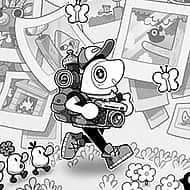
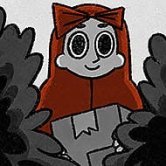
The art is hand-drawn in black and white, and the frame-by-frame animation gives the village a retro, slightly eerie rhythm. The calm look contrasts sharply with the lack of restraint among the villagers, and that gap is where much of the humor lives.
Because the visuals stay quiet, the surprises hit harder. A peaceful street can turn into something strange behind a single window, and you remember those moments long after you finish.
Not everyone will love the style, and a few players find the stark look hard to read in a busy scene. For most, though, the hand-drawn charm is one of the strongest reasons to visit the village.
Is Tom’s Route Worth a Second Visit?
How long does it take? The game is short, and even reviewers who wanted more still found it entertaining enough for its small size. That makes it a good fit for a quiet evening rather than a long commitment.
Is it scary? The creepy discoveries and disturbing surprises are real, but the tone is dark humor rather than jump scares. Expect unease and laughter side by side instead of horror.
Does it replay well? Since the story branches and choices matter, there is some replayability, and a second pass is the best way to catch the windows and scenes you missed the first time.
Tom the Postgirl is at its best when you stop pretending the deliveries matter and just follow Tom’s curiosity to the next window. Between the priests, the hippies and that kennel of an orphanage, the village always has one more secret waiting behind a crack in the wall.