






















ChamoRush



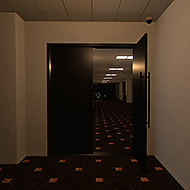






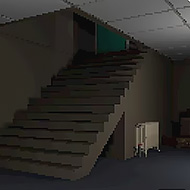
ChamoRush looks like a throwaway party mini-game, all bright colors and a goofy premise, but it plays like something closer to a stealth exercise where one careless step ends the round instantly. There’s no combat, no score multiplier chasing your attention — just the discipline of staying quiet and staying hidden.
| Genre | Hide-and-seek / stealth |
| Platform | Browser (HTML5) |
| Core Loop | Hide, reposition, avoid the seeker until time runs out |
| Average Round | Two to three minutes |
The premise is simple to state and harder to execute: find a spot, stay still or move carefully, and don’t get spotted before the round timer runs out. A typical round runs somewhere in the two-to-three-minute range, short enough that a bad opening position doesn’t cost much time, which is part of why players tend to queue up several rounds in a row. ChamoRush strips the hide-and-seek formula down to almost nothing extra, which means every design choice that is there — sightlines, hiding-spot variety, how loudly footsteps register — carries more weight than it would in a busier game.
Hiding Spots and Line of Sight in ChamoRush
New players consistently make the same early mistake in ChamoRush: they treat the first hiding spot they find as good enough and stay there the whole round, without checking whether it’s actually out of the seeker’s sweep path. A spot that looks hidden from one angle is often fully exposed from another, and the seeker’s patrol doesn’t stay predictable enough to reward that kind of guesswork.
Players who do better tend to reposition once or twice per round rather than committing to a single spot immediately, using the seeker’s own movement pattern as cover to relocate somewhere safer. That single habit change accounts for most of the difference between a round that ends in the first thirty seconds and one that goes the distance. Hiding in the exact same spot every round doesn’t hold up either, since the seeker’s patrol shifts round to round.
How the Seeker’s Patrol Changes Over a Round
Difficulty in ChamoRush isn’t handled through more enemies or a faster timer — it’s handled by shrinking the map’s usable hiding spots as a round goes on, or by the seeker learning to check spots it previously ignored. That subtle escalation is easy to miss on a first playthrough and only becomes obvious after a few rounds.
What ChamoRush Players Actually Debate
Seeker Spawn Luck Versus Player Skill
The most divisive part of ChamoRush is how much a round can hinge on the seeker’s starting position rather than player skill — a bad opening angle can end a round before a player has had any real chance to react, and that randomness is something regular players bring up constantly. Others argue it’s exactly what keeps repeat rounds from feeling identical.
Player habits tend to split into a few recognizable types once a round is underway:
- Cautious players lean almost entirely on stillness, treating any unnecessary movement as a risk not worth taking even late in a round.
- Risk-takers reposition constantly, on the assumption that a moving target is harder to fully commit to catching.
- Newer players often split the difference without meaning to, freezing at the wrong moments and moving at the worst possible ones.
The Sound Cue Most Players Miss
One detail that only shows up after several rounds: the ambient sound design shifts subtly louder the closer the seeker gets, a cue that’s easy to miss the first few times but becomes one of the more reliable early-warning signs once a player starts listening for it. ChamoRush doesn’t give players a visual indicator or map ping to rely on instead — the sound cue is the only warning system built in.
Why Rounds Feel Different Every Time
Community discussion around ChamoRush tends to circle back to the same tension: how much of a round is genuine skill versus a lucky or unlucky seeker spawn. That debate is part of why players keep queuing another round rather than settling the argument once and for all.
Repositioning Versus Committing to One Spot
The clearest split in how people play ChamoRush comes down to whether a player treats their first hiding spot as final or as a starting point. Committing early feels safer in the moment, but the players who consistently last the full round are usually the ones willing to move again once the seeker’s pattern gives them an opening.
ChamoRush isn’t trying to be more than a tight, replayable hide-and-seek round, and it mostly succeeds at that narrow goal — the tension of a close seeker and a hiding spot that might not hold up is enough to pull players back for another attempt even after a round that ended in the first few seconds.