














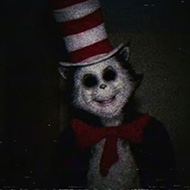
The Cat in the Hat (Analog Horror)
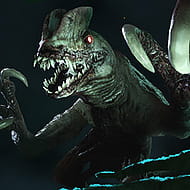
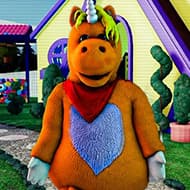

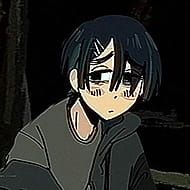
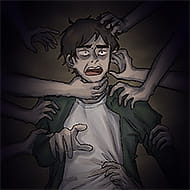

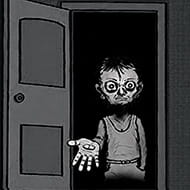
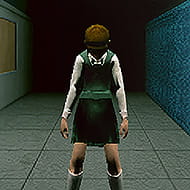
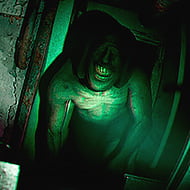
What actually happens when Emily is left alone for two nights and a strange, charismatic figure lets himself in anyway? The Cat in the Hat (Analog Horror) takes Dr. Seuss’s chaotic house guest and rewrites him as something that stalks rather than entertains, and the found-footage presentation is what makes the whole thing land.
The Cat in the Hat, Retold as Found Footage
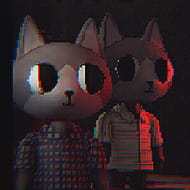
The setup borrows its bones straight from the original book: two children, a goldfish that seems to have vanished by the time this story picks up, and a visitor who shows up uninvited while the parents are away on business. Thing 1 and Thing 2 exist in this world too, though most entries keep them off-screen, referenced rather than shown directly. The Cat himself is the one constant across every version — charming at first, then unmistakably a threat once the mask slips.
One detail that keeps this concept unsettling rather than silly is the “present day” framing several entries use, where the Cat, having once been called a monster by the children he terrorized, grows into an adult predator who tracks down and stalks people from that town years later.
Why The Cat in the Hat (Analog Horror) Has No Single Version
There is no single canonical entry here — this is a recognizable analog horror trend, with separate creators putting out their own takes under titles like Cat in the Hat Analog Horror, its numbered sequels, and other found-footage riffs on the same premise. That fragmentation is honestly part of the appeal for fans of the genre, who enjoy comparing how differently each version handles the reveal.
- Emily — the recurring central character left home alone as the story begins.
- The Cat — the charismatic-turned-predatory figure driving every version.
- Thing 1 and Thing 2 — referenced throughout, rarely shown on screen.
Common Questions About the Cat in the Hat Trend
Is there an actual playable game version of this story?
A small, in-development fan experience exists, built around a chase format with basic controls for running and navigating tight spaces, though it remains a minor, unofficial project rather than a widely played release.
Why do different videos of the same story look so different?
Because multiple independent creators have made their own analog horror takes on the Cat in the Hat premise, each with its own pacing, reveals, and level of connection to the source book.
The Cat in the Hat (Analog Horror) works because it takes something built for comfort and lets it curdle slowly, and Emily’s ordinary two nights alone are exactly ordinary enough to make that curdling feel personal.